


From the moment a tree is selected to the instant a string vibrates across a finished instrument, wood defines the voice of a guitar. Builders across the United States recognize that great tone begins long before construction—it starts with thoughtful material selection. Choosing acoustic guitar tonewoods for sale is not simply a purchasing decision; it is an investment in resonance, durability, and musical identity. When craftsmanship aligns with quality materials, raw timber evolves into an expressive instrument capable of inspiring players for generations.
Table of Contents
- Understanding Guitar Tonewoods and Their Influence
- The Soundboard as the Core of Acoustic Tone
- Modern Access to Quality Guitar Materials
- Wood Selection in Electric Guitar Design
- Acoustic Guitar Tonewoods for Sale: What Builders Should Look For
- Evaluating Wood for Structural and Tonal Balance
- Precision Crafting Through Thickness Control
- Innovation Through Thermal Wood Processing
- Sustainability and Responsible Wood Sourcing
- Consistency for Professional Builders
- Matching Wood Choice to Musical Vision
- Conclusion: From Natural Resource to Musical Expression
Modern guitar construction blends tradition with precision. While time-tested wood species remain popular, advancements in processing and seasoning now allow builders to achieve consistency that earlier generations could only approximate. Understanding how wood selection impacts sound is essential for anyone serious about crafting musical instruments that inspire players.
Understanding Guitar Tonewoods and Their Influence
The character of a guitar is shaped by the organic properties of wood. Density, elasticity, and grain orientation all influence how sound travels through the body. Collectively known as tonewoods, these materials determine how an instrument responds to touch, how notes sustain, and how harmonics bloom. Experienced luthiers learn to read subtle visual and tactile cues in wood, allowing them to predict tonal behavior and craft instruments with intentional sonic profiles.
The Soundboard as the Core of Acoustic Tone
No component contributes more to acoustic projection than the top plate. Traditionally built using a traditional tonewood soundboard, this element translates string vibration into audible sound. Spruce varieties are prized for clarity and headroom, while cedar is favored for warmth and immediacy. Maintaining traditional soundboard practices ensures tonal reliability while preserving the acoustic heritage valued by players and collectors alike.
Modern Access to Quality Guitar Materials
The digital marketplace has transformed how builders source materials. Today, ordering a guitar soundboard online allows access to detailed grading, moisture data, and visual references. This transparency supports informed decisions and reduces uncertainty, especially for independent builders and repair professionals. Online sourcing has effectively expanded the reach of premium materials while maintaining the standards expected by serious craftsmen.
Wood Selection in Electric Guitar Design
Although electronics shape amplified sound, wood still plays a vital role in electric instruments. The electric guitar soundboard contributes to sustain, attack, and overall feel. Certain woods enhance brightness and definition, while others add weight and tonal focus. Builders who understand this relationship can fine-tune an instrument’s response before pickups ever enter the equation.
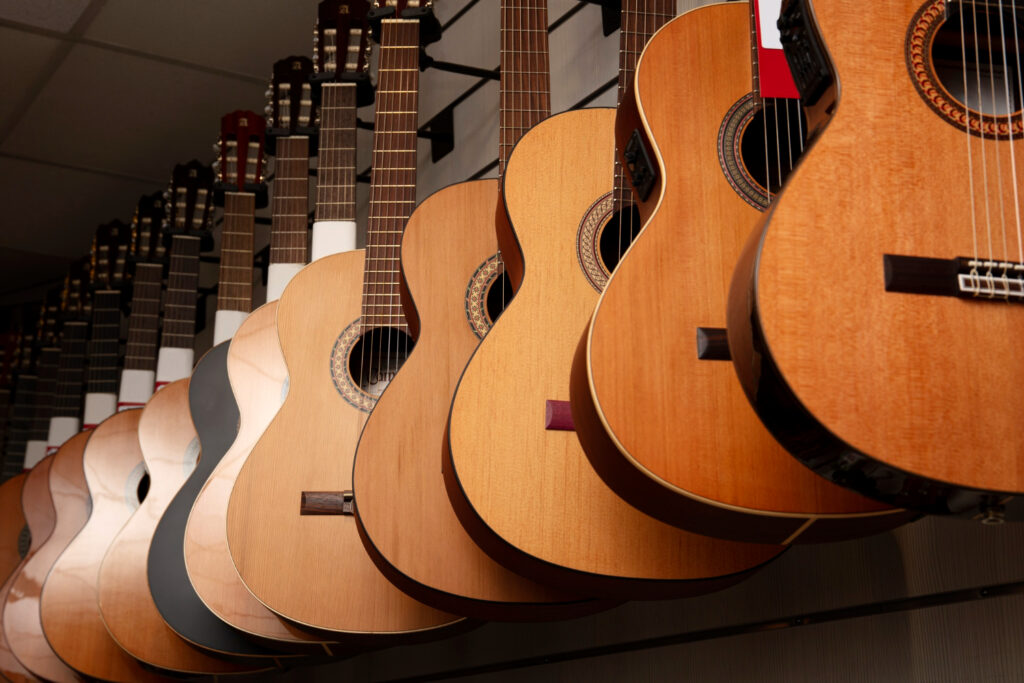
Acoustic Guitar Tonewoods for Sale: What Builders Should Look For
When sourcing acoustic guitar tonewoods for sale, builders must evaluate more than visual appeal. Grain consistency, cut orientation, and moisture content all contribute to how wood behaves during construction and throughout the instrument’s lifespan. Quarter-sawn lumber, for instance, offers increased strength and resistance to warping, making it ideal for structural components.
Reliable suppliers provide detailed grading standards and transparent sourcing information. This level of documentation supports informed decision-making and aligns with professional craftsmanship standards. Pacific Rim tone woods are known for offering materials that meet these expectations, helping builders maintain consistency across custom and production instruments.
Evaluating Wood for Structural and Tonal Balance
Choosing the right guitar soundboard wood requires balancing aesthetics with performance. Straight grain, consistent density, and proper seasoning contribute to stability and predictable resonance. High-quality soundboard wood resists environmental stress while offering reliable tonal response, allowing builders to focus on craftsmanship rather than material correction.
Grain Structure and Resonance
Uniform grain spacing supports even vibration across the soundboard, helping produce balanced frequencies and consistent projection. Builders often favor visually clean tops because they also indicate structural reliability.
Moisture Content and Longevity
Properly dried wood reduces the risk of cracking or deformation. Stable moisture levels ensure the instrument performs consistently across different climates.
Precision Crafting Through Thickness Control
Subtle adjustments to guitar soundboard thickness dramatically influence tonal behavior. Thinner tops often provide greater sensitivity and responsiveness, while slightly thicker plates offer durability and controlled projection. Skilled luthiers tailor thickness to body shape and playing style, ensuring that each instrument achieves its intended voice.
Innovation Through Thermal Wood Processing
Modern builders increasingly explore thermally modified soundboards to achieve tonal maturity and stability. This controlled heat treatment alters the wood’s cellular structure, reducing moisture absorption and enhancing resonance. The result is a soundboard that offers a seasoned tone with improved resistance to environmental changes, blending innovation with traditional acoustic values.
Sustainability and Responsible Wood Sourcing
Ethical sourcing has become central to modern guitar building. Sustainable forestry practices ensure long-term availability of premium materials while protecting ecosystems. Pacific Rim tone woods reflects this responsibility by emphasizing traceability and environmental stewardship, aligning craftsmanship with conservation.
Consistency for Professional Builders
Reliable material quality supports consistent results across multiple builds. When wood grading, moisture control, and preparation meet professional standards, builders can focus on design and refinement. Pacific Rim tone woods support this consistency by supplying dependable materials trusted by luthiers throughout the country.
Matching Wood Choice to Musical Vision
Every guitar begins as a concept shaped by tone, feel, and purpose. Selecting the right materials allows builders to translate that vision into reality. Whether crafting a responsive fingerstyle instrument or a powerful stage guitar, informed choices transform timber into music. Pacific Rim tone woods continues to bridge natural resources and artistic intent for builders who value excellence.
Conclusion: From Natural Resource to Musical Expression
The process of shaping wood into a playable instrument is a balance of knowledge, experience, and intention. Builders who understand how materials respond acoustically can create guitars that deliver clarity, warmth, and long-term stability. Choosing the right acoustic guitar tonewoods for sale allows craftsmen to work with materials that support consistency and tonal depth. When careful selection meets skilled execution, raw timber evolves into an instrument capable of meaningful musical expression.
Frequently Asked Questions
Why does wood selection play such a major role in guitar building?
Wood determines how vibration travels through the instrument, influencing resonance, sustain, and balance. High-quality tonewoods provide predictable performance and help ensure consistent sound across different playing dynamics.
How does the guitar top influence overall tone and volume?
The top plate converts string vibration into sound, making it the most responsive component of the instrument. A properly prepared traditional tonewood soundboard enhances projection while maintaining tonal clarity and dynamic range.
Is buying guitar materials online a reliable option for builders?
Yes, when sourced from reputable suppliers. Purchasing a guitar soundboard online allows builders to review grading details and specifications before making informed decisions.
Does wood matter as much in electric instruments?
While electronics shape amplification, wood still affects sustain and feel. A well-crafted electric guitar soundboard contributes to tonal response and overall playing experience.
What factors affect the responsiveness of a guitar’s top?
Thickness, grain structure, and preparation all play critical roles. Proper control of guitar soundboard thickness helps balance sensitivity with structural strength for optimal performance.
Reliable materials play a key role in instrument performance. Explore the Pacific Rim tone woods website to discover available tonewood options, sourcing transparency, and resources that support informed building decisions. Find the right wood to support precision, consistency, and long-lasting musical performance.


